PKAN & Dystonia: Navigating Involuntary Muscle Contractions
Living with a rare neurological disorder presents unique challenges, and for those affected by Pantothenate Kinase-Associated Neurodegeneration (PKAN), the journey often involves grappling with a pervasive and often debilitating symptom: dystonia. Pkan disease, a subset of Neurodegeneration with Brain Iron Accumulation (NBIA) disorders, is characterized by its progressive nature and a spectrum of involuntary movement issues. Understanding the intricate relationship between PKAN and dystonia is crucial for effective management and improving the quality of life for individuals and their families.
At its core, PKAN Disease: Exploring Symptoms, Genetic Causes, and Progression is a genetic condition that profoundly impacts the nervous system, leading to a host of motor challenges, with dystonia standing out as one of the earliest and most persistent manifestations.
Understanding PKAN: A Genetic Neurological Disorder
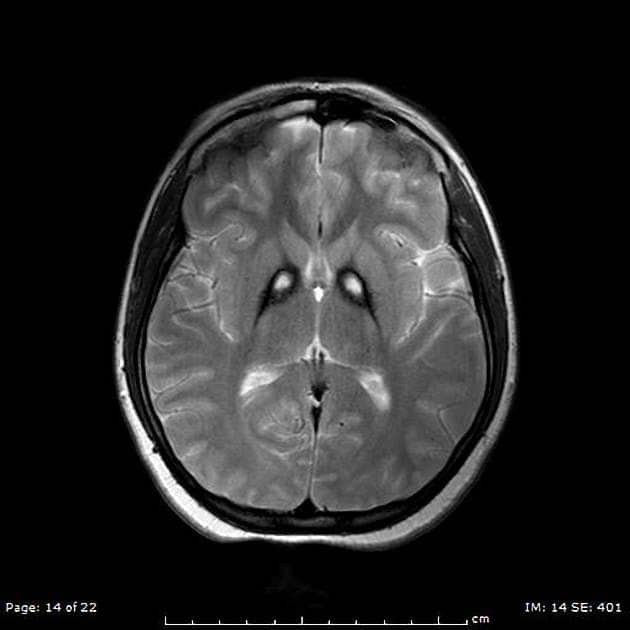
PKAN is one of the more prevalent forms of NBIA, accounting for approximately 30-35% of all NBIA diagnoses. This complex disorder stems from mutations in the PANK2 gene, located on chromosome 20. The PANK2 gene provides vital instructions for producing an enzyme called pantothenate kinase. When this enzyme is missing or dysfunctional, researchers believe it leads to damage in nerve cells within the brain and the characteristic accumulation of iron, particularly in the basal ganglia—a region crucial for movement control.
The presentation of PKAN is not uniform; it exists on a spectrum. While broadly categorized into "classic" and "atypical" forms, many individuals exhibit symptoms that fall between these definitions, highlighting the variability of the condition. The classic form typically presents with a more aggressive and rapid progression of symptoms, often beginning in early childhood.
Dystonia: The Defining Movement Challenge in PKAN
Among the myriad symptoms associated with Classic PKAN: Understanding Early Onset Symptoms and Progression, dystonia holds a significant, often central, position. Dystonia is a neurological movement disorder characterized by sustained or intermittent muscle contractions, causing repetitive, twisting movements and abnormal postures. In individuals with PKAN, dystonia is almost universally present and typically emerges as one of the earliest signs of the disease, profoundly impacting daily life.
- Early Manifestation: For most with classic PKAN, dystonia begins insidiously, often leading to early misinterpretations such as clumsiness. As it progresses, it becomes more noticeable, affecting mobility and coordination.
- Widespread Impact: Dystonia in PKAN can affect various parts of the body. Cranial dystonia targets the muscles of the head and neck, including those around the eyes, mouth, tongue, and throat. This can lead to severe issues like involuntary tongue biting, which not only causes pain and injury but also complicates eating and speaking. Limb dystonia affects the arms and legs, contributing to the difficulty in walking, maintaining balance, and performing fine motor tasks.
- Safety Concerns: The unpredictable nature of dystonic spasms significantly increases the risk of falls. For children and adults with PKAN, these falls can lead to repeated injuries, particularly to the face and chin, exacerbated by the difficulty in protecting themselves during a fall. The combination of extreme bone stress from involuntary contractions and underlying osteopenia (reduced bone density) also puts patients at risk for bone fractures.
- Therapeutic Approaches: Managing dystonia is a cornerstone of PKAN care. One of the primary treatment options is Botulinum toxin (Botox) injections. This neurotoxin can be highly effective in relaxing specific overactive muscles, thereby reducing spasms and improving comfort, particularly for oral dystonia. In extreme cases of oral dystonia and chronic tongue trauma, removing all teeth may be considered as a last resort to prevent severe self-injury.
- Beyond Physicality: The constant struggle with involuntary movements can lead to significant pain, fatigue, and emotional distress. It impacts social interaction, communication, and overall quality of life. Comprehensive management therefore extends beyond physical interventions to include psychological support and strategies for daily living.
The Progressive Journey of Classic PKAN: Beyond Dystonia
Classic Pkan disease typically presents before the age of six in the vast majority of patients, with an average onset around three years and four months. The initial presentation might be subtle, with children appearing unusually clumsy. However, the disease progresses rapidly, leading to more pronounced challenges:
- Mobility Decline: Walking difficulties become increasingly severe, with frequent falls becoming a common occurrence. Many individuals with classic PKAN require a wheelchair by their mid-teens, and most lose the ability to move or walk independently within 10 to 15 years after symptom onset.
- Speech and Swallowing Difficulties (Dysarthria & Dysphagia): Beyond the immediate impact of oral dystonia, PKAN can cause dysarthria—problems with speech production. This results from difficulty controlling the muscles of the mouth, tongue, larynx, and vocal cords, leading to stuttering, slurring, or soft and raspy speech that can be challenging to understand. As the disease progresses, chewing and swallowing (dysphagia) become significantly impaired, often necessitating the use of a feeding tube to ensure adequate nutrition and prevent aspiration.
- Other Neurological Manifestations: Involvement of the corticospinal tract—the crucial communication pathway between the brain and limbs—leads to symptoms such as spasticity (stiff, tight muscles) and hyperreflexia (overactive reflexes). Some patients may also experience retinal degeneration, impacting vision.
- Prognosis and Life Expectancy: Patients with PKAN are at an increased risk of premature death. Interestingly, secondary effects such as swallowing difficulties, poor nutrition, and complications from falls are often more likely causes of premature death than the primary neurodegenerative process itself. However, with significant improvements in medical care, including better nutritional support, aggressive management of dystonia, and respiratory care, more individuals with PKAN are now living into adulthood, extending the lifespan and improving their quality of living significantly.
Navigating Life with PKAN: Support and Management Strategies
Managing Pkan disease and its myriad symptoms, especially severe dystonia, requires a comprehensive, multidisciplinary approach. The goal is to manage symptoms, maximize functional abilities, and enhance the individual's quality of life.
- Multidisciplinary Care Team: A team typically includes neurologists, movement disorder specialists, physical therapists, occupational therapists, speech-language pathologists, nutritionists, social workers, and psychologists. This collaborative approach ensures all facets of the disease are addressed.
- Physical and Occupational Therapy: These therapies are crucial for maintaining range of motion, managing spasticity, improving balance, and adapting to changing mobility needs. Occupational therapists can recommend assistive devices and modifications to the home environment to enhance safety and independence.
- Speech and Swallowing Therapy: Speech-language pathologists work on communication strategies, alternative communication methods, and swallowing techniques to reduce the risk of choking and aspiration. Nutritional guidance is essential, potentially involving high-calorie diets or the eventual need for a gastrostomy tube.
- Pain Management: Chronic pain from dystonia and spasticity can be debilitating. Various pain management strategies, including medications, physical therapies, and alternative treatments, can be explored.
- Psychological and Emotional Support: Living with a progressive, rare disease profoundly impacts mental health for both the individual and their family. Counseling, support groups, and mental health services are vital for coping with the emotional challenges, grief, and stress associated with PKAN.
- Ongoing Research: Research continues to uncover the precise mechanisms by which the missing pantothenate kinase enzyme causes nerve damage and iron accumulation. This ongoing scientific inquiry holds the promise of developing targeted therapies and potentially a cure for PKAN in the future. Clinical trials are exploring various compounds aimed at reducing iron levels or replenishing pantothenate kinase activity.
Conclusion
Pkan disease, with its strong association with severe dystonia and other progressive neurological symptoms, presents significant challenges. However, understanding the genetic basis, the spectrum of symptoms, and the impact of conditions like involuntary muscle contractions is the first step toward effective management. Through a dedicated multidisciplinary approach, advanced therapeutic interventions like Botulinum toxin, and robust support systems, individuals with PKAN can achieve a higher quality of life and potentially longer lifespans. Continued research offers hope for new treatments, making awareness and advocacy more important than ever for those navigating this complex neurodegenerative journey.